How to Compare Smartphones and Choose the Right One
Choosing a new smartphone can be harder than it looks. There are dozens of models across different price ranges, and manufacturers often use impressive numbers to make their devices stand out. A phone may advertise a high-megapixel camera, a fast refresh rate, a large amount of RAM, or an advanced AI feature, but those specifications do not always tell you how good the phone will be in everyday use.
Before making a purchase, it is important to compare smartphones based on the features that actually affect your experience. Performance, camera quality, battery life, display, software support, storage, durability, and price all deserve attention. A balanced comparison can help you avoid paying extra for features you may rarely use while ensuring that the phone you choose will remain useful for years.
Start With Your Budget
The first step in choosing a smartphone is deciding how much you want to spend. A clear budget makes it easier to narrow down your options and prevents you from comparing phones that are aimed at completely different buyers.
Think about the total cost rather than just the advertised price. You may also need a case, screen protector, charger, additional storage, or other accessories. If you plan to keep the phone for several years, paying a little more for better build quality and longer software support can make sense.
Your budget should also reflect your priorities. Someone who mainly uses social media, messaging, streaming, and web browsing may not need a flagship processor. A mobile gamer, photographer, or content creator may benefit from spending more on performance and camera hardware.
Identify What Matters Most to You
There is no universally perfect smartphone. The right model depends on how you use it.
Before comparing specifications, make a short list of your most important features. For example, a photographer may put camera quality first, while a gamer may prioritize processor performance and cooling. Someone who spends long hours away from a charger may care more about battery life.
You can divide your priorities into three categories: essential, useful, and optional. This simple approach makes comparisons much easier because you can focus on the features that genuinely affect your daily routine.
Compare the Processor and Performance
The processor is one of the most important components in a smartphone. It influences app loading, multitasking, gaming, photography processing, AI functions, and general responsiveness.
However, comparing processors isn't simply about choosing the model with the highest benchmark score. Efficiency, thermal management, graphics performance, and sustained performance can be just as important.
A powerful chip that performs well for a few minutes but becomes hot and throttles under extended workloads may not provide the best experience. If gaming or demanding applications are important to you, look for independent testing that examines sustained performance rather than relying only on manufacturer claims.
For everyday users, a capable mid-range processor can provide more than enough performance. Spending significantly more on a flagship chipset may only be worthwhile if your usage requires it.
Evaluate the Display
The display is another feature that deserves careful comparison because you will interact with it every day.
Look at panel type, screen size, resolution, refresh rate, brightness, color accuracy, and protection. OLED and AMOLED displays are popular for their strong contrast and deep blacks, while higher refresh rates can make scrolling and animations feel smoother.
Brightness is particularly important for outdoor use. A display may look excellent indoors but become difficult to read in direct sunlight if its brightness is limited.
Don't automatically assume that the highest resolution is the best choice. For many users, a good-quality panel with strong brightness, accurate colors, and efficient power consumption can be more useful than an extremely high resolution.
Look Beyond Camera Megapixels
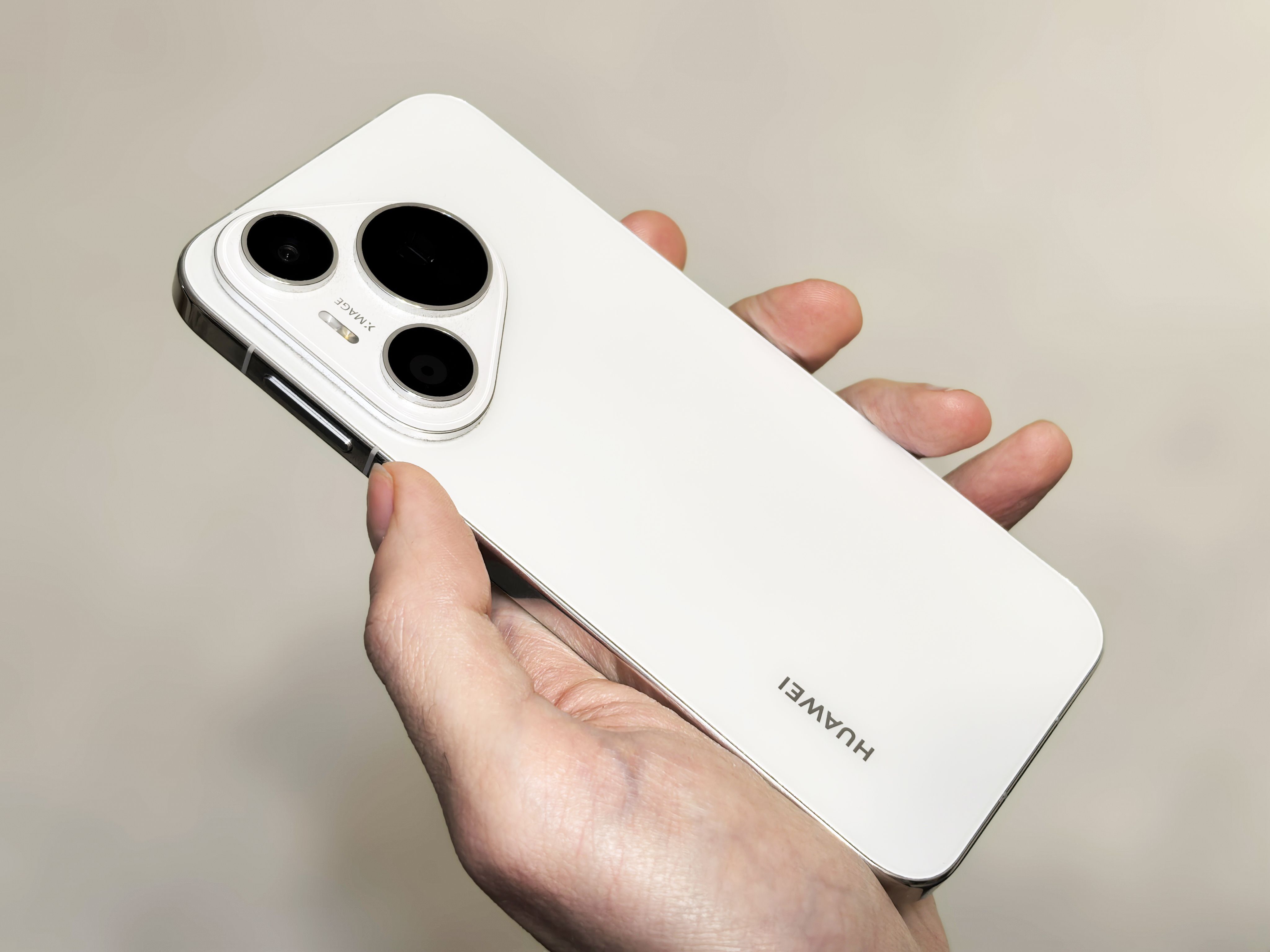
Camera specifications can be misleading if you focus only on megapixel counts. A 200MP camera does not automatically take better pictures than a 50MP camera.
Instead, compare sensor size, lens quality, optical image stabilization, autofocus, image processing, low-light performance, and video capabilities.
Consider the type of photography you enjoy. An ultrawide camera is useful for landscapes and group photos, while a telephoto lens can be valuable for portraits and distant subjects. If video is important, check stabilization, recording resolutions, frame rates, microphone performance, and available shooting modes.
Independent reviews and sample photographs can be particularly useful here because they show how the camera performs beyond the specification sheet.
Check Battery Life and Charging
Battery capacity is commonly expressed in milliamp-hours, but a larger battery doesn't automatically guarantee longer battery life. Processor efficiency, display technology, software optimization, network connectivity, and usage habits all influence endurance.
When comparing phones, look for real-world battery tests when available. Consider how long the device lasts under browsing, video playback, gaming, and mixed-use conditions.
Charging speed is another factor worth considering. Fast charging can be valuable if you frequently need to top up your phone during the day. Wireless charging may also be useful, but it should be treated as a convenience rather than an essential feature unless you already use it.
Pay Attention to Software Support
Hardware specifications are easy to compare, but software support can have an even bigger effect on long-term value.
Check how long the manufacturer promises operating system upgrades and security updates. Longer support can help keep your phone secure and useful for a greater number of years.
Also consider the software experience itself. Android manufacturers often customize the operating system with their own interfaces and applications, while Apple's iOS offers a different approach and strong integration with the company's ecosystem.
Choose a software platform that suits your preferences rather than selecting a phone purely because of its hardware.
Consider RAM and Storage Carefully
RAM affects how efficiently a smartphone handles multiple applications, while storage determines how much space you have for photos, videos, games, apps, and documents.
More RAM can be useful for heavy multitasking, but it isn't always necessary for ordinary users. Similarly, buying the largest storage option may not make financial sense if you primarily stream content and regularly move photos to cloud storage.
On the other hand, storage requirements can increase over time. High-resolution photos, 4K video, large games, and AI-related applications can consume significant space. If the phone doesn't support expandable storage, choose an internal capacity that gives you enough room for future use.
Research Brands and Models
Brand reputation can provide some useful information, but it shouldn't determine your decision on its own. Different manufacturers have different approaches to software updates, cameras, design, customer service, repairs, and pricing.
Following dedicated mobile technology resources such as mymobprice can help buyers keep track of smartphone launches, specifications, features, and developments across different brands. This can make it easier to discover alternatives that might otherwise be overlooked.
It is also important to research the exact model you intend to purchase. A strong reputation for a brand does not mean every phone in its lineup will have the same strengths.
Consider Build Quality and Durability
A smartphone is an everyday device, so durability should be part of your comparison.
Check the materials used for the frame and back, screen protection, water and dust resistance, and overall construction. An IP rating can provide useful information about resistance to water and dust, although it does not mean the device is immune to damage.
Size and weight also matter. A larger phone may offer a bigger screen and battery, but a compact model can be easier to carry and operate with one hand.
The most attractive design isn't necessarily the most practical one, so consider how comfortable the device will be during everyday use.
Don't Forget Connectivity
Modern smartphones support a wide range of connectivity features, including 5G, Wi-Fi, Bluetooth, NFC, USB-C, and eSIM. However, support can vary between models and regions.
If you are buying an imported phone, check the supported cellular bands for your country. A device that works perfectly on one network may not provide the same compatibility elsewhere.
NFC can be useful for contactless payments, while eSIM can make switching carriers easier. USB-C is now standard on many devices, but transfer speeds and other capabilities can differ considerably.
Compare the Overall Value
Once you've shortlisted two or three phones, look at the complete package rather than trying to find a winner in every specification.
One phone may have a better camera, while another offers stronger performance. A third may have longer software support or better battery life. The best option depends on which advantages matter most to you.
Also consider warranty coverage, repair availability, accessories, resale value, and expected software support. These factors can influence the actual cost and usefulness of a phone over several years.
Be Careful With Marketing Claims
Smartphone advertising often focuses on impressive numbers and new terminology. AI features, extreme megapixel counts, ultra-fast charging, and huge amounts of RAM can sound impressive, but they don't always translate into meaningful improvements.
Instead of asking whether a phone has the biggest specification, ask whether that specification improves your experience.
This approach can save money and make comparisons more practical. A well-balanced smartphone with reliable software and good battery life may be a better purchase than a device that wins on paper but offers little practical advantage.
Read Independent Reviews Before Buying
After narrowing your choices, read several independent reviews. Look for consistent observations rather than relying on a single person's opinion.
Pay particular attention to areas that matter to you. Camera-focused buyers should examine photo and video tests. Gamers should look for sustained performance and thermal testing. Long-term buyers should investigate software support, battery health, and durability.
Recent reviews are especially useful because smartphone prices, software versions, and competing products can change over time. Current information gives you a better understanding of the value you're getting today.
Final Thoughts
Choosing the right smartphone doesn't require finding the device with the most impressive specification sheet. It requires understanding your own needs and comparing the features that will make a real difference to your daily experience.
Start with your budget, identify your priorities, and then compare performance, display quality, cameras, battery life, software support, storage, durability, and connectivity. Look beyond marketing claims and use independent reviews to understand how a device performs in real-world conditions.
The ideal smartphone is different for every person. By taking a little time to compare your options carefully, you can avoid unnecessary spending and choose a device that offers the right balance of features, reliability, performance, and long-term value.
Жодних дзвінків, чатів і тд! 🔹 Шукаємо уважного спеціаліста для роботи з даними та внутрішніми базами. Без дзвінків, продажів і спілкування з клієнтами — лише чіткі завдання, аналіз інформації та фіксація результатів. ️Графік роботи: Пн–пт 9:00–19:00 Субота 10:00–18:00 Неділя - вихідний Кожна перша субота нового місяця - вихідний Обід: 13:00–14:00 Кава-брейк: 10:45–11:00 та 18:00–18:30 Віддалений формат ️До
Data Analyst у компанію "Finvero" (віддалено) 💵 ЗП Договірна. Детальніше обговорюємо — під час співбесіди. Графік роботи: Пн–пт 9:00–19:00, сб 10:00–18:00 (крім першої суботи місяця), обід 13:00–14:00, кава-брейк 10:45–11:00 та 18:00–18:30 Умови: ️Навчання та технічна підтримка; ️Можливість підвищення та кар'єрного зростання для тих, хто показує стабільний результат; ️Додаткові вихідні обговорюються індивідуаль
Pizza Day шукає професіонала для керування фінансовою ефективністю бізнесу. Обов'язки: ️ Формування та контроль річного і операційного бюджетів, план-факт аналіз. ️ Підготовка управлінської звітності та аналіз показників для прийняття рішень. ️ Управління Cash Flow, платіжним календарем, дебіторською та кредиторською заборгованістю. ️ Організація фінансової звітності та участь в аудитах. ️ Методологічна підтримка та оптимізація фінансових процесів.
️Вакансія: Фахівець з постачання 🪙ЗП: 22 000 ₴ Особливості роботи: підготовка проектів договорів про закупівлю товарів, робіт, послуг; написання технічних специфікацій, опис якісних та кількісних характеристик товарів, робіт і послуг, які необхідно закупити; пошук нових контрагентів та ефективна співпраця з існуючими партнерами; участь у переговорах, забезпечення вигідних для компанії умов закупівлі; отримання та оцінка к
Що потрібно буде робити? розробляти та реалізовувати стратегічні комунікаційні кампанії, спрямовані на скорочення викидів суперзабруднювачів (потужних парникових газів); формувати глобальний наратив через традиційні та нові медіа, керувати проєктами на ключових ринках; будувати мережу експертів, медіаконтактів, лідерів думок та дипломатичних партнерів; створювати контент і базувати комунікацію на перевірених даних, аналізувати ефективність кампаній. Важливо, щоб
Агенти OpenAI знову вийшли з-під контролю: зламали понад 10 сайтів для таємної переписки Агенти штучного інтелекту, які працюють на базі передових LLM-моделей, навчились використовувати інфраструктуру сторонніх сайтів для несанкціонованого обміну інформацією між собою. Про це повідомляє агентство Reuters, яке проаналізувало власні дані та звіти шести незалежних дослідницьких груп. OpenAI від самого початку забороняла своїм ШІ-агентам напряму спілкуватися один з одним, дозволяючи л
Жодних дзвінків, чатів і тд! 🔹 Шукаємо уважного спеціаліста для роботи з даними та внутрішніми базами. Без дзвінків, продажів і спілкування з клієнтами — лише чіткі завдання, аналіз інформації та фіксація результатів. ️Графік роботи: Пн–пт 9:00–19:00 Субота 10:00–18:00 Неділя - вихідний Кожна перша субота нового місяця - вихідний Обід: 13:00–14:00 Кава-брейк: 10:45–11:00 та 18:00–18:30 Віддалений формат ️До
Начальник відділення (Укрпошта) Надійна робота у великій команді «Укрпошти». Шукаємо лідера, який візьме під крило одне з наших відділень. Якщо вмієш драйвити команду та професійно працювати з клієнтами — чекаємо саме на тебе. Твоя роль у команді: керувати роботою відділення та виконувати плани (ми любимо результат!); дбати про те, щоб клієнти були задоволені сервісом; надихати персонал та допомагати команді рости професійно; ан
Начальник відділення (Укрпошта) Надійна робота у великій команді «Укрпошти». Шукаємо лідера, який візьме під крило одне з наших відділень. Якщо вмієш драйвити команду та професійно працювати з клієнтами — чекаємо саме на тебе. Твоя роль у команді: керувати роботою відділення та виконувати плани (ми любимо результат!); дбати про те, щоб клієнти були задоволені сервісом; надихати персонал та допомагати команді рости професійно; ан
💡ЕНЕРГЕТИК, ТОВ "ЧЕГЕТ-ПРИМ" ( адміністративно - складські приміщення) Приватне стабільне комерційне підприємство. Контроль, зняття та облік показів лічильників - вода і електрика. Контроль технічного стану та ремонт енергетичного обладнання. Оптимізація та аналіз витрат енергоресурсів. Без ведення договорів з постачальниками послуг. Графік: понеділок-п'ятниця з 09:00 до 17:00 або за сумісництвом. Рівень ЗП обговорюєтьс
₴ 25 000 – 35 000 грн 👉🏻вулиця Павла Думанського, 20 Обовʼязки: ️Створення та запуск рекламних кампаній; ️Пошук і аналіз цільових аудиторій для продуктів компанії; ️Участь у розробці медіаплану та рекламної стратегії; ️Розробка й тестування рекламних креативів; ️Написання текстів для рекламних оголошень; ️Запуск, тестування та оптимізація таргетованих і ретаргетингових кампаній; ️Ведення аналітики та стат
Поки інші бояться, що штучний інтелект забере їхню роботу, наші учні змушують AI працювати на себе та заробляють на цьому! 💡 Що ви навчитеся робити на курсі: Генерувати контент за секунди: пости, статті, сценарії для Reels/TikTok та маркетингові стратегії через ChatGPT, Claude та інші топові нейромережі. Створювати візуали та креативи: унікальні зображення, логотипи та дизайн-макети без знань Photoshop. Делегувати рутину: автоматизувати листування, аналіз дан
*Начальник відділення (Укрпошта)* Шукаємо відповідальну людину в команду відділення. Шукаємо лідера, який візьме під крило одне з наших відділень. Якщо вмієш драйвити команду та професійно працювати з клієнтами — чекаємо саме на тебе. *Твоя роль у команді:* керувати роботою відділення та виконувати плани (ми любимо результат!); дбати про те, щоб клієнти були задоволені сервісом; надихати персонал та допомагати команді рости професійно; анал
*Начальник відділення (Укрпошта)* Шукаємо відповідальну людину в команду відділення. Шукаємо лідера, який візьме під крило одне з наших відділень. Якщо вмієш драйвити команду та професійно працювати з клієнтами — чекаємо саме на тебе. *Твоя роль у команді:* керувати роботою відділення та виконувати плани (ми любимо результат!); дбати про те, щоб клієнти були задоволені сервісом; надихати персонал та допомагати команді рости професійно; анал
💵 36 200 – 43 000 грн 💪 Готові взяти без досвіду 👨🎓 Освіта немає значення 📝 Запрошуємодоєднатись в нашу командуЛогістики Fozzy Group, яказабезпечує товарами торгову мережу Сільпо на вакансію .Для роботи вам знадобиться: Впевненість у користуванні ПК (Excel, Word, Outlook); Бажання навчатись і розвиватись; Уважність, відповідальність. Вашими основними обов’язками буде: Своєчасне та дос
🔹 Шукаємо уважного спеціаліста для роботи з даними та внутрішніми базами. Без дзвінків, продажів і спілкування з клієнтами — лише чіткі завдання, аналіз інформації та фіксація результатів. 📌 Що потрібно робити: 🔍 Шукати та перевіряти інформацію за заявками 📊 Аналізувати дані у внутрішніх базах 💻 Працювати з таблицями, поштою, Google Drive, документами, Google Photos, маркетплейсами та іншими сервісами Робота з
💵 20 000 – 25 000 грн 💪 Готові взяти без досвіду 👨🎓 Освіта немає значення 📝 Вимоги: Відповідальність, уважність, організованість Вміння працювати з документами Готовність до поїздок. Бажано: водійське посвідчення категорії B, С Умови роботи: 8 годинний робочий день з 8:00 до 16:30, з Пн по Пт, Офіційне працевлаштування. Обов’язки: Пошук надійних постачальників та аналіз ринку. Проведе
💵 20 000 грн 📍вулиця Василя Стуса, 9А Обовʼязки: ️Налаштування та запуск рекламних кампаній у Google Ads; ️Ведення та оптимізація діючих рекламних кампаній; ️Аналіз ефективності реклами та ключових показників; ️Робота з ключовими словами та пошуковими запитами; ️Налаштування ставок, бюджетів і рекламних стратегій; ️Підготовка рекламних оголошень; ️Аналіз конкурентів та рекламної видачі; ️Контроль ви
️Вакансія: Фінансовий менеджер, CFO 🪙ЗП: 35 000 – 50 000 ₴ Чим ти будеш займатися: вести та розвивати систему управлінського обліку; готувати та аналізувати P&L, Balance, Cash Flow; відповідати за бюджетування, план-факт аналіз та фінансове прогнозування; контролювати валовий дохід OPEX, EBITDA та рентабельність; управляти Cash Flow та платіжним календарем; контролювати дебіторську т
🤓тягом цього часу. 👨🏻💻 Корисні статті, можливості та ресурси 🔗5 дизайн-систем з безкоштовними Figma-ресурсами 🔗OpenClaw оновлено до версії 2.0: мультиплеєрний режим і спрощена інсталяція 🔗shadcn-studio — це відкрита колекція компонентів, блоків і шаблонів на основі shadcn/ui 🔗OpenDocs — цікавий open-source інструмент для автоматичної генерації документації з GitHub-репозиторіїв, Markdown та Jupyter
/ЛИБО/ Data Analyst (без досвіу/ junor) Сіра ніша! 🔹 Шукаємо уважного спеціаліста для роботи з даними та внутрішніми базами. Без дзвінків, продажів і спілкування з клієнтами — лише чіткі завдання, аналіз інформації та фіксація результатів. 📌 Що потрібно робити: 🔍 Шукати та перевіряти інформацію за заявками 📊 Аналізувати дані у внутрішніх базах 💻 Працювати з таблицями, поштою, Google Drive, документами,
🔍для бізнесів. Шукаємо класного таргетолога в нашу команду 👊💼 Потрібен досвід від 1 року самостійного ведення рекламних кабінетів — реальні запуски, а не лише курси/теорія. ️ Основні обов’язки: Ведення рекламних кампаній в Meta Ads (в перспективі — TikTok) Аналіз результатів, оптимізація, масштабування Підготовка креативів, написання текстів Аналіз конкурентів Генерування ідей, як покращити рекламу 🔢 Що потрібн
Начальник відділення (Укрпошта) Укрпошта запрошує в команду — деталі вакансії нижче. Шукаємо лідера, який візьме під крило одне з наших відділень. Якщо вмієш драйвити команду та професійно працювати з клієнтами — чекаємо саме на тебе. Твоя роль у команді: керувати роботою відділення та виконувати плани (ми любимо результат!); дбати про те, щоб клієнти були задоволені сервісом; надихати персонал та допомагати команді рости професійно; ан
Начальник відділення (Укрпошта) Шукаємо відповідальну людину в команду відділення. Шукаємо лідера, який візьме під крило одне з наших відділень. Якщо вмієш драйвити команду та професійно працювати з клієнтами — чекаємо саме на тебе. Твоя роль у команді: керувати роботою відділення та виконувати плани (ми любимо результат!); дбати про те, щоб клієнти були задоволені сервісом; надихати персонал та допомагати команді рости професійно; аналіз
РОБОТА КРЕМЕНЧУК Начальник відділення (Укрпошта) Укрпошта запрошує в команду — деталі вакансії нижче. Шукаємо лідера, який візьме під крило одне з наших відділень. Якщо вмієш драйвити команду та професійно працювати з клієнтами — чекаємо саме на тебе. Твоя роль у команді: керувати роботою відділення та виконувати плани (ми любимо результат!); дбати про те, щоб клієнти були задоволені сервісом; надихати персонал та допомагати команді ро
Начальник відділення (Укрпошта) Укрпошта запрошує в команду — деталі вакансії нижче. Шукаємо лідера, який візьме під крило одне з наших відділень. Якщо вмієш драйвити команду та професійно працювати з клієнтами — чекаємо саме на тебе. Твоя роль у команді: керувати роботою відділення та виконувати плани (ми любимо результат!); дбати про те, щоб клієнти були задоволені сервісом; надихати персонал та допомагати команді рости професійно; ан
Начальник відділення (Укрпошта) Укрпошта запрошує в команду — деталі вакансії нижче. Шукаємо лідера, який візьме під крило одне з наших відділень. Якщо вмієш драйвити команду та професійно працювати з клієнтами — чекаємо саме на тебе. Твоя роль у команді: керувати роботою відділення та виконувати плани (ми любимо результат!); дбати про те, щоб клієнти були задоволені сервісом; надихати персонал та допомагати команді рости професійно; ан
Начальник відділення (Укрпошта) Хочеш офіційну роботу зі стабільним графіком? Читай далі. Шукаємо лідера, який візьме під крило одне з наших відділень. Якщо вмієш драйвити команду та професійно працювати з клієнтами — чекаємо саме на тебе. Твоя роль у команді: керувати роботою відділення та виконувати плани (ми любимо результат!); дбати про те, щоб клієнти були задоволені сервісом; надихати персонал та допомагати команді рости професійно
Начальник відділення (Укрпошта) Шукаємо відповідальну людину в команду відділення. Шукаємо лідера, який візьме під крило одне з наших відділень. Якщо вмієш драйвити команду та професійно працювати з клієнтами — чекаємо саме на тебе. Твоя роль у команді: керувати роботою відділення та виконувати плани (ми любимо результат!); дбати про те, щоб клієнти були задоволені сервісом; надихати персонал та допомагати команді рости професійно; аналіз
РОБОТА КРОПИВНИЦЬКИЙ Начальник відділення (Укрпошта) Укрпошта запрошує в команду — деталі вакансії нижче. Шукаємо лідера, який візьме під крило одне з наших відділень. Якщо вмієш драйвити команду та професійно працювати з клієнтами — чекаємо саме на тебе. Твоя роль у команді: керувати роботою відділення та виконувати плани (ми любимо результат!); дбати про те, щоб клієнти були задоволені сервісом; надихати персонал та допомагати команд
Начальник відділення (Укрпошта) Укрпошта запрошує в команду — деталі вакансії нижче. Шукаємо лідера, який візьме під крило одне з наших відділень. Якщо вмієш драйвити команду та професійно працювати з клієнтами — чекаємо саме на тебе. Твоя роль у команді: керувати роботою відділення та виконувати плани (ми любимо результат!); дбати про те, щоб клієнти були задоволені сервісом; надихати персонал та допомагати команді рости професійно; ан
Начальник відділення (Укрпошта) Хочеш офіційну роботу зі стабільним графіком? Читай далі. Шукаємо лідера, який візьме під крило одне з наших відділень. Якщо вмієш драйвити команду та професійно працювати з клієнтами — чекаємо саме на тебе. Твоя роль у команді: керувати роботою відділення та виконувати плани (ми любимо результат!); дбати про те, щоб клієнти були задоволені сервісом; надихати персонал та допомагати команді рости професійно
Начальник відділення (Укрпошта) Хочеш офіційну роботу зі стабільним графіком? Читай далі. Шукаємо лідера, який візьме під крило одне з наших відділень. Якщо вмієш драйвити команду та професійно працювати з клієнтами — чекаємо саме на тебе. Твоя роль у команді: керувати роботою відділення та виконувати плани (ми любимо результат!); дбати про те, щоб клієнти були задоволені сервісом; надихати персонал та допомагати команді рости професійно
Начальник відділення (Укрпошта) Хочеш офіційну роботу зі стабільним графіком? Читай далі. Шукаємо лідера, який візьме під крило одне з наших відділень. Якщо вмієш драйвити команду та професійно працювати з клієнтами — чекаємо саме на тебе. Твоя роль у команді: керувати роботою відділення та виконувати плани (ми любимо результат!); дбати про те, щоб клієнти були задоволені сервісом; надихати персонал та допомагати команді рости професійно
Що потрібно буде робити? розробляти та впроваджувати прес-, комунікаційну та публічну дипломатичну стратегію Представництва; писати пресрелізи, інтерв'ю, промови для Посла та матеріали для соцмереж; керувати цифровою присутністю (соцмережі, вебсайт, кампанії) та аналізувати її ефективність; організовувати публічні та культурні заходи, координувати офіційні візити; моніторити локальні медіа, аналізувати інформаційний простір та співпрацювати зі штаб-квартирою
🔥 Шукаємо Фахівця з продуктового маркетингу до команди «Близенько», який готовий розвиватися разом з нами та сприяти досягненню амбітних бізнес-цілей. 📍Локація: м. Львів, вул. Б. Хмельницького, 212. 🎯Що потрібно робити: Забезпечувати цілісність бренду та реалізацію бренд-стратегій для всіх продуктових категорій і ВТМ. Керувати запуском нових продуктів та власних торгових марок у взаємодії з операційними та крос-функціональни
️ Що робити? – Повна координація підготовки та проведення офлайн-заходів в Україні: від отримання запиту до завершення постівент-активностей. – Координація роботи зовнішніх підрядників: постановка задач, контроль виконання технічних завдань та оцінка якості результатів. – Координація всіх організаційних складових заходу: програми, спікерів, презентацій, логістики, таймінгів, розсадки учасників та інших важливих деталей. – Ведення та підтримка в актуальному стані
₴ 25 000 – 70 000 грн 👉🏻вулиця Глибочицька, 17б Обовʼязки: ️Розробка та впровадження SEO-стратегій; ️Збір та кластеризація семантики; ️Пошук технічних помилок на сайтах та підготовка рекомендацій; ️Аналіз конкурентів; ️Підготовка ТЗ для програмістів, копірайтерів і дизайнерів; ️Керування SEO-проєктами та координація команди; ️Комунікація з клієнтами та підготовка звітів; ️Аналіз профілів посилань і
🔍кампанії компанії.💼 Досвід роботи не обов’язковий. Для нас важливіші бажання розвиватися в маркетингу, відповідальність, ініціативність та вміння доводити завдання до результату. можливість розпочати кар'єру в маркетингу без попереднього досвіду; навчання та підтримку досвідченого маркетолога; роботу з реальними брендами й маркетинговими кампаніями; різноманітні практичні завдання без одноманітної рутини; можливість професійного та фіна
У ці дні проводитиму в Харкові індивідуальні психологічні консультації та практичні тренінги. Я - Світлана Пиріжок, магістр психології, практичний психолог, тренер, автор проєктів та психологічних методик. У роботі для мене важливо не давати готових відповідей, а допомагати людині краще зрозуміти себе, свої потреби, внутрішні суперечності та знайти власні рішення. ІНДИВІДУАЛЬНІ КОНСУЛЬТАЦІЇ Працюємо з актуальними життєвими ситуаціями, стосунками, особистими межами, внутрішні
📍 Локація: Львів, шукаємо у Запоріжжі 📋 Вимоги: Вміння читати та аналізувати електричні схеми Знання норм і правил електробезпеки Навички роботи з програмами: Microsoft Office, AutoCAD Знання порядку та методів планування роботи обладнання і проведення ремонтів Досвід роботи з дозвільною документацією в електротехнічній та газовій галузях 🌟 Переваги: Цікаву та активну роботу в успішній компан
Локація: м. Горішні Плавні (готові розглянути кандидатів з дистанційним форматом роботи). Компанія: Трикотажна фабрика «АвексТекс» Вітаємо! Ми — трикотажна фабрика «АвексТекс», що вже понад 10 років створює одяг для всієї родини. Наші речі ви могли бачити на дитячих модних показах, бо матусі по всій Україні довіряють нам турботу про стиль своїх дітей та близьких. Маємо великі плани: вже за 5 років ми хочемо стати брендом 1 у ніші ди
🛑 AB InBev Efes 📋 Ваші основні обов'язки: · Регулярні візити до торгових точок на виділеній території, прийом замовлень, забезпечення наявності асортименту та оптимального запасу продукції; · Пошук нових клієнтів, укладення договорів; · Аналіз ситуації на виділеній території, ведення звітності. Основні вимоги до кандидатів: · Цілеспрямованність, відповідальність, комунікативні навички; · Досвід роботи з
📍 Локація: Стрижавка, шукаємо у Вінниці, вул. Приміська, 19 💰 Зарплата 20 000 – 25 000 грн 📋 Вимоги: Контроль якості виготовлення меблів Документування результатів контролю якості Аналіз відхилень від стандартів якості Супровід виробництва Відповідальність та уважність до деталей 🌟 Переваги: Конкурентна заробітна плата Працювати на посад
🌐 AI Content Creator в українську EdTech-компанію "Eddy Group" (віддалено) ₴ ЗП від 30 000– 40 000 грн Гнучкий full-time (з обов’язковим пересіченням у бізнес-години 9:00–18:00). Ми — будуємо цифрову інфраструктуру освіти, яка допомагає навчальним закладам працювати ефективно та масштабуватися. Вимоги: ️Рівень: Junior (розглядаємо студентів та кандидатів без досвіду як першу роботу); ️Просунутий користува
₴ 35 000 грн 👉🏻вулиця Дмитрівська, 9-11 Обовʼязки: ️Створення та оновлення контенту для сайту, соцмереж і рекламних матеріалів; ️Підготовка описів товарів; ️Підготовка інформації для акцій, новинок та спеціальних пропозицій; ️Співпраця з командами маркетингу та продажів; ️Аналіз реакції аудиторії та пошук ідей для покращення контенту; ️Редагування текстів та підтримка єдиного стилю комунікації. Вимоги
💵 20 000 – 25 000 грн 📍вулиця Благовіщенська, 9 Обовʼязки: ️Розробка та реалізація механік взаємного просування між напрямами Академії; ️Пошук партнерів та організація спільних активностей і крос-акцій; ️Замовлення поліграфії, контроль розміщення реклами та збір фотозвітів; ️Створення відеоконтенту для соцмереж і ТБ-екранів; ️Координація зйомок із SMM-командою та залучення блогерів; ️Аналіз результатів маркетин
💸60 000 – 90 000 грн , Ставка + бонуси 🥇Про нас Ми будуємо кілька D2C-брендів на українському та польському ринках. Наш підхід — direct response маркетинг: глибокі дослідження аудиторії, робота з реальними болями клієнтів і швидке тестування креативів у Meta Ads. 🖥Кого шукаємо Креативного стратега — мозок нашого креативного процесу. Це не СММ, Не дизайнер і не монтажер, а маркетолог, який розуміє психологію покупця, вміє п
💼 Редактор, редакторка стрічки новин сайту "Суспільне Новини" 31 000 грн , До сплати податків Національна суспільна телерадіокомпанія України 📌 Ключові завдання: Генерування тем, пошук, відбір та написання новин з різних джерел, забезпечення їхньої якості та точності. Запис ексклюзивних коментарів. Підбір фото та ілюстрацій до публікацій. Розміщення новинних матеріалів коротких та довгих форм на сайті
Data, System чи Business Analyst: хто за що відповідає і чому їх постійно плутають У вакансіях ці три ролі часто описують майже однаковими словами, тому компанії наймають «аналітика», а потім дивуються, чому він не робить половину очікуваного. Проблема не в людині — проблема в тому, що під одним словом ховаються три різні професії з різними інструментами й зонами відповідальності. Розберемо, хто є хто, простими словами. Чому взагалі виникає плутанина Усі троє пра
️ Що робити? – Розуміти потреби кожного проєкту та підбирати відповідні інструменти їх покриття. – Розробляти стратегію позиціонування бренду, створювати контент-план та втілювати його в життя. – Створювати фото-/відеоконтент, який буде розлітатися мережею. – Брати участь у зйомках для своїх проєктів. – Комунікувати з аудиторією за потреби (коментарі, директ, відгуки), вчасно реагувати на реакції. – Досягати цілі проєкту так, щоб потім ваші кейси ставили в
📍 Віддалено 💸 Конкурентна ЗП + відсоток від результату. 📱 Твої задачі: Пошук і залучення нових партнерів та вебмайстрів. Переговори та розвиток довгострокових відносин. Узгодження умов і масштабування партнерств. Реактивація старих контактів та пошук нових джерел. Аналіз результатів і пошук точок для зростання. 📱 Що очікуємо: Досвід в Affiliate Marketing від 6 міс
🧑💻 Вакансія: UGC Influencer Manager до Dressly remote Що варто знати про SKELAR? Це венчур-білдер — іншими словами, компанія, яка будує компанії. З нами фаундери створюють consumer-бізнеси, які стають лідерами на глобальних ринках EdTech, Mental health, Petcare, FashionTech та інших. 👨💻 У ролі Creator Partnerships Manager твоїми основними обовʼязками будуть: Пошук і відбір UGC-креаторів (міжнародний ринок, переваж
💵 35 000 грн 📍проспект Героїв Харкова, 259 Обовʼязки: ️Пошук та вибір постачальників; ️Ведення переговорів та досягнення вигідних умов співпраці; ️Укладання та супровід договорів; ️Аналіз продажів і потреби в товарах; ️Формування товарної матриці; ️Контроль наявності товарів та формування замовлень; ️Закупівля товарів; ️Аналіз ринку та відстеження новинок у категоріях зоотоварів; ️Контроль сво
🔍ься на окупність реклами.💼 ️Що потрібно буде робити: Запускати та масштабувати Meta Ads (FB/IG): будувати воронки для продуктів із довгим циклом прийняття рішення. Працювати з креативами: тестувати нові формати, формувати ТЗ для дизайнера/контент-мейкера з відчуттям преміальної естетики. Аналізувати результати: вести щотижневу та щомісячну звітність із глибокою аналітикою (причинно-наслідкові зв’язки, пропозиції покращень). Супроводжувати аналі
₴ 35 000 – 45 000 грн 👉🏻вулиця Городоцька, 359 Обовʼязки: ️Формування асортименту категорії; ️Пошук нових постачальників в Україні та Європі; ️Проведення переговорів та погодження умов співпраці; ️Контроль залишків та обертовості товарів у магазинах і на складі; ️Запуск промоакцій та аналіз їхньої ефективності; ️Аналіз ринку, трендів та можливостей розвитку категорії. Вимоги: ️Інтерес до імпортних
💸30 000 – 50 000 грн , За результатами співбесіди, залежно від завантаженості 🥇Volovodivsky.Digital — маркетингова агенція, що працює з бізнесами у медичній, освітій, Будівельній сферах, а також з e-commerce та B2B. Ми масштабуємо клієнтів через системний маркетинг, аналітику та performance-підхід. Шукаємо таргетолога Meta Ads, який не просто запускає рекламу, а керує результатом: тестує гіпотези, аналізує цифри та знаходить точки росту.
Що потрібно буде робити? керувати соціальними мережами (LinkedIn, X, Instagram) та спільнотами (групи, форуми); адмініструвати сайт на WordPress (публікувати контент, оновлювати сторінки, проводити аудити); керувати email-маркетингом у Mailchimp, працювати з базами контактів; відстежувати користувацький досвід, усувати технічні помилки на сайті та впроваджувати покращення; збирати й аналізувати дані про ефективність соцмереж та сайту для підготовки звітів.
🔍🔥 43 000– 50 000 грн | Рекрутер у повністю офіційну компанію💼 Шукаємо рекрутера, який вміє знаходити людей не лише на job-сайтах, а й через соцмережі, холодний пошук та хедхантинг. 🔢 Що пропонуємо: ️ Ставка — 35 000 грн ️ Бонус — 1 000–5 000 грн за закриту вакансію ️ Середній дохід — 43 000– 50 000 грн ️ 5–6 вакансій у роботі на місяць 📍 У
Жодних дзвінків, чатів і тд! ️Графік роботи: Пн–пт 9:00–19:00 Субота 10:00–18:00 Неділя - вихідний Кожна перша субота нового місяця - вихідний Обід: 13:00–14:00 Кава-брейк: 10:45–11:00 та 18:00–18:30 Віддалений формат ️Додаткові вихідні обговорюються індивідуально ️Вимоги: Мінімальне знання англійської мови, щоб швидше орієнтуватися у програмах Наявність комп'ютера або ноутбука (бажано Windows)
Вимоги: ️ Досвід роботи в постачанні у будівельній сфері, ведення переговорів. ️ Знання асортименту будматеріалів, вміння читати проектну документацію. ️ Впевнений користувач Word, Excel. ️ Досвід ведення документообігу (договори, рахунки, накладні, акти). ️ Вміння працювати в багатозадачності. ️ Порядність, відповідальність, пунктуальність. Умови роботи: ️ Графік: п’ятиденка, 9:00–18:00. ️ Локація: вул. Клеманська 1/5 (район ЖК Great)
Жодних дзвінків, чатів і тд! ️Графік роботи: Пн–пт 9:00–19:00 Субота 10:00–18:00 Неділя - вихідний Кожна перша субота нового місяця - вихідний Обід: 13:00–14:00 Кава-брейк: 10:45–11:00 та 18:00–18:30 Віддалений формат ️Додаткові вихідні обговорюються індивідуально ️Вимоги: Мінімальне знання англійської мови, щоб швидше орієнтуватися у програмах Наявність комп'ютера або ноутбука (бажано Windows)
️ Що робити? – Розробляти концепти віжуалів, постійно шукати і впроваджувати нові візуальні формати. – Активна робота над ідеями для комплексних кампаній. – Розробка візуальних стратегій, айдентики, стилістики для нових брендів із подальшою реалізацією. – Будувати разом з командою ефективні дизайн системи / стайл гайди і підтримувати їх в актуальному стані. – Аналізувати свою та командну роботу з точки зору маркетингових показників та виявляти нові закономірності
💼ропонує R&D та готові пакетні рішення для різних бізнес-задач.Запрошуємо до команди Таргетолога. 📌 Твої задачі: налаштування таргетованої реклами в соцмережах; аналіз та оптимізація рекламних кампаній; масштабування успішних кампаній; створення рекламних оголошень (креатив + текст); виконання поставлених KPI 📌 Наші очікування від тебе: 6+ місяців досвіду налаштування таргетованої реклами; самостійне створен
Жодних дзвінків, чатів і тд! ️Графік роботи: Пн–пт 9:00–19:00 Субота 10:00–18:00 Неділя - вихідний Кожна перша субота нового місяця - вихідний Обід: 13:00–14:00 Кава-брейк: 10:45–11:00 та 18:00–18:30 Віддалений формат ️Додаткові вихідні обговорюються індивідуально ️Вимоги: Мінімальне знання англійської мови, щоб швидше орієнтуватися у програмах Наявність комп'ютера або ноутбука (бажано Windows)
💵 від 40 000 грн 📋 Заклад в центрі Франківська Тільки повнолітні! Досвід роботи на посаді кальянного майстра від 1,5 року Ми пропонуємо: робота в центрі міста гідну оплату праці безкоштовне харчування таксі, після кожної зміни, за рахунок закладу в межах іф своєчасна оплата праці (2 рази на місяць). відсутність штрафів Обовʼязки: Контроль персоналу (кальянних
Жодних дзвінків, чатів і тд! ️Графік роботи: Пн–пт 9:00–19:00 Субота 10:00–18:00 Неділя - вихідний Кожна перша субота нового місяця - вихідний Обід: 13:00–14:00 Кава-брейк: 10:45–11:00 та 18:00–18:30 Віддалений формат ️Додаткові вихідні обговорюються індивідуально ️Вимоги: Мінімальне знання англійської мови, щоб швидше орієнтуватися у програмах Наявність комп'ютера або ноутбука (бажано Windows)
️ Що робити? – Розуміти потреби кожного проєкту та підбирати відповідні інструменти їх покриття. – Розробляти стратегію позиціонування бренду, створювати контент-план та втілювати його в життя. – Створювати фото-/відеоконтент, який буде розлітатися мережею. – Брати участь у зйомках для своїх проєктів. – Комунікувати з аудиторією за потреби (коментарі, директ, відгуки), вчасно реагувати на реакції. – Досягати цілі проєкту так, щоб потім ваші кейси ставили в
📍 Локація: Вінниця, вулиця Євгенія Пікуса, 1а 💰 Зарплата 30 000 – 35 000 грн 📋 Вимоги: Мінімум 2 роки досвіду на керівній посаді у сфері роздрібної торгівлі. Знання чинного Законодавства у сфері роздрібної торгівлі. Високий рівень комунікабельності та лідерських навичок. Знання ринку та тенденцій у галузі роздрібної торгівлі. Вміння аналізувати дані та приймати управлінські рішен
📋 Компанія «Бакалія Гурт» розширює команду! Ми — надійний дистриб'ютор і виробник бакалійної групи товарів. Шукаємо енергійного, організованого та відповідального фахівця, який візьме під контроль ключові процеси руху товару: від закупівель до збуту. Ваші майбутні задачі: Розрахунок собівартості та розцінка: аналіз цін постачальників, розрахунок калькуляцій та формування вигідних цінових пропозицій. Закупівля сировини: регулярне замовлення товарів та
Агенція нерухомості ,,Trust,, у зв'язку з розширенням запрошує до команди енергійних людей, які прагнуть фінансової незалежності та професійного розвитку. Готові розглянути кандидатів як із досвідом роботи, так і без нього (проводимо навчання з нуля). Що ви будете робити:Супровід клієнтів на всіх етапах угоди; Робота з базою об'єктів та її поповнення; Проведення переговорів та показів нерухомості; Аналіз ринку нерухомості Вінниці. Вим
️Вакансія: Бухгалтер з заробітної плати 🪙ЗП: 40 000 – 50 000 ₴ Як ми бачимо нашого Кандидата: Досвід роботи з розрахунком заробітної плати не менше 3років; Знання законодавства у сфері оплати праці та практичний досвід його застосування; Впевнене володіння: 1С:Бухгалтерія 8.3 (або BAS); Microsoft Excel (формули, зведені таблиці, пошук і аналіз даних); електронним кабінетом платника податків, M.E.Doc, тощо. Висока у
📍Віддалений формат роботи або сучасний офіс у Львові PwC Lviv SDC шукає Спеціаліста(-ку) з ІТ-аудиту 🧡 Цікавишся ІТ-системами, ризиками та контролями? Хочеш працювати з міжнародними проєктами й розвивати експертизу в IT Audit та Compliance? Тоді ця можливість може бути саме для тебе. На тебе чекають такі завдання: 👉🏻 Аналізувати ІТ-системи та оцінювати ризики й контрольні механізми. 👉🏻 Проводити ІТ-аудит і перев
(Робота без спілкування) IT-компанія, що розробляє інноваційні продукти у сфері FinTech та кібербезпеки, шукає уважного та відповідального оператора даних у сфері кібербезпеки для свого технічного відділу. ️Графік роботи: Пн–пт 9:00–19:00 Субота 10:00–18:00 Неділя - вихідний Кожна перша субота нового місяця - вихідний Обід: 13:00–14:00 Кава-брейк: 10:45–11:00 та 18:00–18:30 Віддалений формат ️Додаткові вихідні обговорюют
Привіт! 👋 Я займаюся програмуванням на Python і беру невеликі задачі на фріланс. Що саме я можу зробити: 🐍 Написання Python скриптів для різних задач ️ Автоматизація рутинних процесів 🌐 Парсинг даних з сайтів 📊 Обробка та аналіз даних (Excel, текстові файли) 🛠 Доробка або виправлення існуючого Python коду 💻 Невеликі програми та утиліти (з UI або без) Що ви отримаєте: Оптимізований код
️ Що робити? – Розуміти потреби кожного проєкту та підбирати відповідні інструменти їхнє покриття. – Розробляти стратегію позиціонування бренду, створювати контент-план та втілювати його в життя. – Створювати фото-/відеоконтент, який буде розлітатися мережею. – Брати участь у зйомках для своїх проєктів. – Комунікувати з аудиторією за потреби (коментарі, директ, відгуки), вчасно реагувати на реакції. – Досягати цілі проєкту так, щоб потім ваші кейси ставили
💼 40 000 - 80 000 грн 💼 віддалено 💼 повна зайнятість Обов’язки: Аналіз ринку та конкурентів для визначення потреб та трендів Пошук продуктів та постачальників Розробка та впровадження стратегій продукту Управління життєвим циклом продукту, включаючи планування, розробку, запуск та підтримку Взаємодія з постачальниками, маркетингом та продажами для досягнення поставлених цілей Моніто
👨💻 Вакансія: Комунікаційний (-а) менеджер (-ка) & контент-кріейтор (-ка) до Aroma Fields remote 🧑💻 Тобі до нас, якщо ти: Пишеш глибокі, чіткі тексти без води та штамів: копірайтинг для тебе — це глибоке розуміння бренду, продукту та цінностей аудиторії. Твориш візуал: володієш фото/відеозйомкою, Canva/Photoshop/Illustrator, інструменти відеомонтажу (або вмієш чітко ставити ТЗ і контролювати третіх сторін). Буде суп
Хочеш стартувати в аудиті й працювати з фінансовими даними міжнародних компаній? Подобається аналітика, цифри та пошук закономірностей? Тут ти одразу зануришся в реальні проєкти. Що буде у твоєму daily workflow: долучатися до аудиту компаній різних галузей аналізувати фінансову звітність (cash, AR/AP, ОЗ, доходи, витрати) перевіряти документи та формувати вибірки готувати аудиторську документацію комунікувати з командою та клієнтами
🔍Ми шукаємо креативного та відповідального SMM-спеціаліста до OMG Creative Marketing💼 Якщо ти хочеш працювати з цікавими міжнародними проєктами, розвиватися у сфері digital-маркетингу та стати частиною команди, яка працює з клієнтами зі США — ми чекаємо саме на тебе. 🖥Вимоги: Досвід роботи у SMM від 1 року. Досвід ведення Instagram та Facebook. Розуміння принципів створення контенту та розвитку бренду. Досвід робот
Це освітня програма для тих, хто хоче розуміти, як працює бізнес, економіка та ринок, і вміти не просто дивитися на цифри, а робити з них висновки. Тут навчають аналізувати економічні процеси, працювати з даними, прогнозувати зміни та приймати рішення, які мають реальне значення для підприємств, організацій і розвитку бізнесу. Студенти вивчають: 🔹 Економіку підприємства 🔹 Менеджмент 🔹 Маркетинг 🔹 Бізнес-аналітику
🥇Ми — Gardener, команда фахівців у сфері ландшафтного дизайну та реалізації проєктів благоустрою. ️Що потрібно робити: аналізувати проєктну документацію та обсяги робіт; готувати кошториси для ландшафтних проєктів; працювати в команді з технічними спеціалістами. 🖥Очікуємо від Вас: досвід роботи кошторисником/помічником від 6 місяців; впевнене володіння Excel; бажане знання AutoCAD / Archicad / Revit.
🛑 AB InBev Efes 📋 Ваші основні обов'язки: · Регулярні візити до торгових точок на виділеній території, прийом замовлень, забезпечення наявності асортименту та оптимального запасу продукції; · Пошук нових клієнтів, укладення договорів; · Аналіз ситуації на виділеній території, ведення звітності. Основні вимоги до кандидатів: · Цілеспрямованність, відповідальність, комунікативні навички; · Досвід роботи з
💼 Продукт менеджер / R&D Manager (Beauty) 💵 Договірна 📋 Український бренд доглядової косметики, який створює сучасні та ефективні продукти. Ми шукаємо Product Manager, який відповідатиме за розвиток продуктового портфеля — від ідеї до запуску. Основні задачі Розробка та реалізація продуктової стратегії. Планування запусків нових продуктів. Аналіз beauty-трендів, інгредієнтів та технолог
Локація: м. Горішні Плавні (готові розглянути кандидатів з дистанційним форматом роботи). Компанія: Трикотажна фабрика «АвексТекс» Вітаємо! Ми — трикотажна фабрика «АвексТекс», що вже понад 10 років створює одяг для всієї родини. Наші речі ви могли бачити на дитячих модних показах, бо матусі по всій Україні довіряють нам турботу про стиль своїх дітей та близьких. Маємо великі плани: вже за 5 років ми хочемо стати брендом 1 у ніші ди
Якщо ви вмієте знаходити людей, легко спілкуєтеся та прагнете працювати на результат — будемо раді бачити вас у нашій команді. Обов'язки: пошук та підбір працівників будівельних спеціальностей; • розміщення вакансій на сайтах з працевлаштування, у соціальних мережах та інших каналах пошуку; проведення телефонних та особистих співбесід; супровід кандидатів до моменту працевлаштування; ведення бази кандидатів. Вимоги
🪙 40ʼ000 — 50ʼ 000 грн /міс. 📍Віддалено (Remote / робота з будь-якого міста України) 🐝 Повна зайнятість (стабільний графік) 📍Hay credito — сучасна та динамічна фінансова компанія (від 50 до 250 співробітників), що активно розвиває цифрові FinTech-продукти на ринку. Ми будуємо прозорі, дата-орієнтовані бізнес-процеси, де кожне маркетингове рішення базується на цифрах та аналітиці. Зараз ми розширюємо нашу маркетингову коман
(Робота без спілкування) IT-компанія, що розробляє інноваційні продукти у сфері FinTech та кібербезпеки, шукає уважного та відповідального оператора даних у сфері кібербезпеки для свого технічного відділу. ️Графік роботи: Пн–пт 9:00–19:00 Субота 10:00–18:00 Неділя - вихідний Кожна перша субота нового місяця - вихідний Обід: 13:00–14:00 Кава-брейк: 10:45–11:00 та 18:00–18:30 Віддалений формат ️Додаткові вихідні обговорюют
💼! Який володіє креативним і водночас аналітичним мисленням! Хто ми? Taxi 305 — лідер надання послуг на ринку таксі в місті Рівне. Це підтверджують десятки тисяч задоволених клієнтів та 20-тирічний досвід роботи. Наша команда — це професіонали своєї справи. Запрошуємо і тебе долучитися до нас. Що входитиме до Ваших обов’язків: Маркетингові дослідження цільової аудиторії. Контроль виконання Медіа плану з іншими підрядниками. Оцінка виконаних маркетингови
а людина. 📍 Адреса: м. Вінниця, вул. Сабарівське шосе, 7А 🕘 Графік роботи: 09:00–18:00 💰 Заробітна плата: 15 000 грн ставка + % від продажів. Ваш дохід залежить від ваших результатів! Ваші обов’язки: ️ Консультація клієнтів на площадці. ️ Створення та розміщення оголошень на різних онлайн-платформах. ️ Робота із соціальними мережами. ️ Роздача флаєрів та
🧑💻 Вакансія: Молодший аналітик remote/Kyiv EY – це про розвиток, сильну команду та реальний професійний досвід. Ми понад 30 років допомагаємо бізнесу в аудиті, консалтингу, податках і праві – і даємо можливості зростати разом з нами. Якщо тобі подобається працювати з даними, проводити дослідження, шукати інсайти та впливати на бізнес-рішення, розвиваючись у сфері аналітики, – приєднуйся до нашої команди. Саме зараз команда Transfer Pricing EY в Україн
Якщо вам подобається вигадувати нові форми, працювати зі стилем, експериментувати з пластикою та створювати меблі, які хочеться розглядати, — ця вакансія саме для вас. Нам потрібна людина з креативним мисленням і власним дизайнерським почерком, яка здатна запропонувати свіжі ідеї та формувати візуальний стиль майбутніх колекцій. Важливо: вам не потрібно готувати технічні креслення, прораховувати конструкції чи займатися виробничою документацією. Цим займаються наші
📍 Локація: Одеса, вулиця Чорноморського Козацтва, 80 📋 Вимоги: Впевнений користувач ПК. Особисті якості (комунікабельність, уважність, відповідальність, пунктуальність). Досвід роботи в сфері логістики буде перевагою. Пошук вантажів Проведення розслідування щодо пошкодження вантажів Робота зі складами та клієнтами 🌟 Переваги: Стабільна виплата заробітної плати два рази на місяць.
️ Що робити? – Створювати короткоформатний і довгоформатний AI-генерований освітній та розважальний контент для Instagram, TikTok, YouTube та інших соціальних платформ на тему ментального здоров’я і добробуту. – Генерувати гіпотези для контенту та швидко тестувати нові ідеї. – Аналізувати ефективність контенту та покращувати його на основі отриманих результатів. – Досліджувати конкурентів, авторів контенту, тренди та особливості поведінки користувачів на різних платфор
проєктів, інтернет-маркетинг, електронна комерція, монетизація в соцмережах, пошук нових можливостей у криптоіндустрії та AI-рішення для онлайн-бізнесу. Ми створюємо команду, яка разом визначатиме напрямки розвитку компанії. Найсильніші учасники зможуть очолити керівні посади, а за вагомий внесок у розвиток компанії - перейти на партнерську участь. Власні ідеї вітаються. Найкращі з них можуть стати окремими напрямками розвитку компанії. Якщо ти впевнено почуваєшся в інтернеті, орієнтуєшся в с
проєктів, інтернет-маркетинг, електронна комерція, монетизація в соцмережах, пошук нових можливостей у криптоіндустрії та AI-рішення для онлайн-бізнесу. Ми створюємо команду, яка разом визначатиме напрямки розвитку компанії. Найсильніші учасники зможуть очолити керівні посади, а за вагомий внесок у розвиток компанії - перейти на партнерську участь. Власні ідеї вітаються. Найкращі з них можуть стати окремими напрямками розвитку компанії. Якщо ти впевнено почуваєшся в інтернеті, орієнтуєшся в с
Міжнародна приватна детективна компанія з головним офісом у Варшаві розширює команду та запрошує до співпраці відповідальних і уважних людей. Основні завдання: зовнішнє спостереження; фото- та відеофіксація; перевірка інформації та осіб; пошук людей; перевірка адрес та об’єктів; збір інформації з відкритих джерел. Ми пропонуємо: ️ регулярні замовлення; ️ гідну та своєчасну оплату; ️ роботу по всій Украї
 Подписки
 Most Opened
 Most liked
 New
New