What types of insurance plans are available
Health insurance plans vary by network structure and coverage, with common types including HMOs (gatekeeper PCP, network-only), PPOs (more flexibility, higher costs out-of-network), EPOs (network-only, no referrals), POS (HMO-like with out-of-network option), and HDHPs (high deductible, often paired with HSAs for savings). Other categories include plans for specific needs like family, critical illness, or senior care, and government options like Medicare or Medicaid.
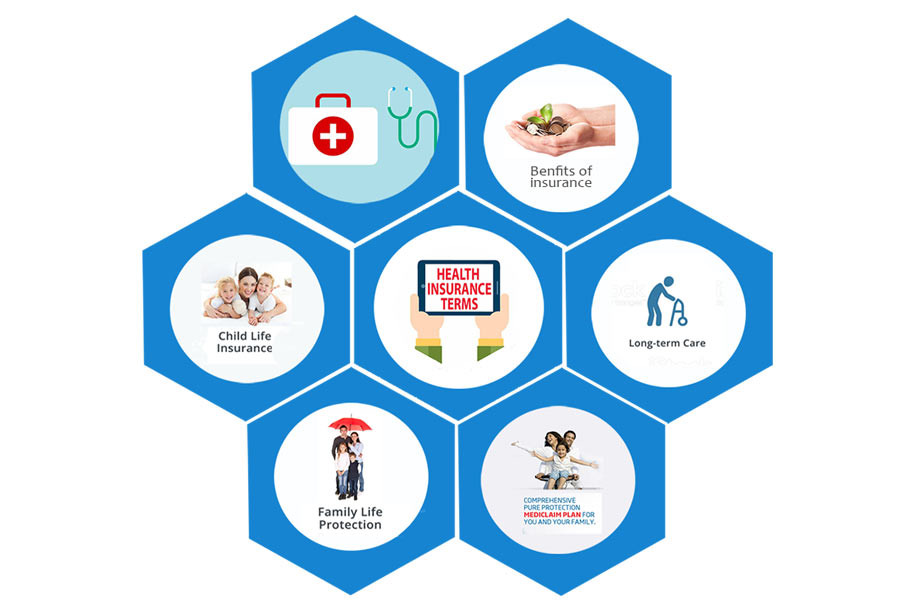
Common Network-Based Plans
- Health Maintenance Organization (HMO): Requires choosing a Primary Care Provider (PCP) who manages care and provides referrals to specialists within the plan's network; generally lower costs (a type of health insurance plan that usually limits coverage to care from doctors who work for or contract with the HMO. It generally won't cover out-of-network care except in an emergency. An HMO may require you to live or work in its service area to be eligible for coverage).
- Preferred Provider Organization (PPO): Offers flexibility to see out-of-network providers, though at a higher cost; typically doesn't require referrals (a Preferred Provider Organisation is a health insurance plan that offers maximum flexibility in choosing a doctor. It combines a fixed network of 'preferred' (in-network) healthcare providers with the option of seeing doctors outside this network for a higher fee).
- Exclusive Provider Organization (EPO): Like an HMO, uses a network but usually doesn't require referrals; no coverage outside the network (except emergencies) (an Exclusive Provider Organization (EPO) is a health insurance plan that offers lower costs by requiring you to use a specific network of doctors, specialists, and hospitals, with no coverage for out-of-network care (except emergencies), but often allows you to see specialists without a referral, combining features of HMOs (network-only care) and PPOs (no referrals). You must stay within the network for your care to be covered, but you generally don't need a primary care physician (PCP) or a referral to see a specialist).
- Point-of-Service (POS): A hybrid; functions like an HMO with a PCP and referrals but allows out-of-network care at a higher cost (a Point-of-Service (POS) health plan is a hybrid insurance plan, blending features of HMOs and PPOs, requiring you to choose an in-network Primary Care Physician (PCP) for lower costs and referrals but offering the flexibility to go out-of-network for care (at a higher cost) for more choice, acting like a PPO option within a managed care structure. You pay less when staying in the plan's network and getting referrals but face higher costs and more paperwork for out-of-network services, making it a good fit for those wanting PCP coordination but also the option for out-of-network care).
High-Deductible Plans & Savings Accounts
- High-Deductible Health Plan (HDHP): Lower premiums but a high deductible; often paired with a Health Savings Account (HSA) for tax-advantaged savings on medical costs (a High-Deductible Health Plan (HDHP) is a health insurance plan with lower monthly premiums but a higher deductible, meaning you pay more out-of-pocket for care until you meet that deductible, after which the plan pays more. HDHPs are often combined with a Health Savings Account (HSA), allowing you to save and pay for medical costs with tax-advantaged money, making them "HSA-eligible". They incentivize cost-consciousness and are good for those with few health needs, but can be challenging for those with chronic conditions due to high upfront costs).
Other Plan Types & Features
- Catastrophic Plans: For emergencies, often with very high deductibles, available to younger individuals or those with hardship exemptions (catastrophic health insurance plans offer low monthly premiums but have high deductibles, protecting you from major medical expenses like serious injuries or illnesses, not routine care. They cover essential health benefits, including preventive care (like check-ups, screenings, vaccinations) at no cost, but you pay for most other care until you meet the high deductible, after which the plan pays 100%. These plans are generally available to people under 30 or older individuals with a hardship exemption, and they cap your total out-of-pocket costs for covered services).
- Individual & Family Plans: Purchased by individuals or families directly.
Choosing between Individual and Family health insurance depends on whether you prefer a personalized safety net or a simplified, cost-effective plan for your household.
Core Differences
- Individual Plans: Cover one person per policy. Each member has their own deductible and sum insured. This is ideal for those with specific medical needs or if family members have vastly different health profiles.
- Family Plans (Family Floater): Cover multiple members (spouse, children, and sometimes parents) under a single policy with a shared sum insured. These are generally cheaper per person and easier to manage with one premium payment.
Popular Plan Categories
Most insurers organize plans into "metal tiers" to help you balance monthly costs vs. out-of-pocket expenses:
- Bronze: Lowest premiums, but highest costs when you receive care. Best for healthy individuals who rarely see a doctor.
- Silver/Gold: Moderate premiums and lower out-of-pocket costs; a good middle ground for families.
- Platinum: Highest premiums but covers ~90% of medical costs. Ideal for those with frequent health needs
- Group Insurance: Provided through an employer, often offering HMO, PPO, or other options. Read more about group insurance in the article below.
- Government Programs: Such as Medicare (for seniors) or Medicaid (for low-income individuals). Read more about government programmes below in the article.
- Specialty Plans: Critical Illness, Maternity, or Disease-Specific plans (e.g., cancer, diabetes). More information below.
Group insurance
Group insurance is a single policy that provides coverage to a specific group of people—typically employees of a company or members of a professional association—rather than individuals.
Key Characteristics
- Master Policy: The insurance contract is issued to the employer or group leader (the "proposer"), who holds the master policy. Members receive individual certificates of coverage.
- Pooled Risk: By covering a large group, insurers spread the risk, which typically results in lower premiums than individual plans.
- Standardized Benefits: All members usually receive the same level of coverage, regardless of age, gender, or health status.
- Participation Requirements: Plans often require a minimum percentage of eligible members (e.g., 70%) to participate to remain valid.
Common Types of Group Plans
- Group Health Insurance (GMC): Covers medical expenses, hospitalization, and sometimes dental or vision.
- Group Life Insurance: Provides a death benefit to beneficiaries if an employee passes away during their tenure.
- Group Disability Insurance: Replaces a portion of income if an employee is unable to work due to illness or injury.
- Group Personal Accident: Offers compensation for accidental death or permanent/temporary disability.
Pros and Cons
| Feature |
Advantage |
Disadvantage |
| Cost |
Employers usually share or fully cover premium costs. |
Lower premiums often come with higher deductibles. |
| Eligibility |
Often covers pre-existing conditions immediately with no medical exams. |
Coverage usually ends immediately when a member leaves the group. |
| Flexibility |
Simplified enrollment process for employees. |
Limited ability for individuals to customize their specific coverage limits. |
Alternatives & Hybrid Models
- ICHRA (Individual Coverage HRA): Allows employers to reimburse employees for individual health plans they choose themselves, offering more personalization than a one-size-fits-all group plan.
- QSEHRA: A similar reimbursement model specifically designed for small employers with fewer than 50 employees.

Government Programs
In the United States, government-sponsored health insurance programs are primarily designed to assist specific groups, including the elderly, low-income individuals, children, and military veterans.
Primary Federal Programs
- Medicare: A federal program for people aged 65 or older, and younger people with certain disabilities or end-stage renal disease. You can explore coverage options and sign up through Medicare.gov.
- Medicaid: A joint federal and state program that provides free or low-cost health coverage to some low-income people, families and children, pregnant women, the elderly, and people with disabilities. Requirements vary by state; check your eligibility at HealthCare.gov.
- Children’s Health Insurance Program (CHIP): Provides low-cost health coverage to children in families that earn too much money to qualify for Medicaid but not enough to buy private insurance. Details are available on the Medicaid.gov CHIP page.
- Affordable Care Act (ACA) Marketplace: While not a "government plan" itself, the Health Insurance Marketplace allows individuals to shop for private plans and provides government subsidies (tax credits) to lower monthly premiums based on income.
Specialized Programs
- TRICARE: The health care program for uniformed service members, retirees, and their families worldwide. Information is managed by the Military Health System.
- Veterans Affairs (VA) Healthcare: Provides medical care for veterans who served in the active military, naval, or air service. Eligibility and benefits can be found via the U.S. Department of Veterans Affairs.
- Indian Health Service (IHS): Provides federal health services to American Indians and Alaska Natives. Learn more on the official IHS website.
For a personalized list of benefits you might qualify for, you can use the official Benefit Finder tool.
Specialty Plans
Specialty health insurance plans provide targeted coverage for risks or treatments typically excluded from standard medical policies. These are generally categorized into specialized benefit plans, supplemental coverage, and niche risk protection.
1. Specialized Benefit Plans
These plans focus on specific categories of care often managed by dedicated specialty health networks like American Specialty Health (ASH) or AIM Specialty Health.
- Chiropractic & Acupuncture: Often added as "carve-out" benefits to HMO or PPO plans.
- Behavioral Health: Specialized networks for mental health and substance use disorder services.
- Specialty Pharmacy: Programs like Cigna Pathwell Specialty manage high-cost drugs for complex conditions like oncology or autoimmune diseases.
2. Supplemental & Condition-Specific Plans
These provide financial buffers or specialized management for specific life stages or medical events.
- Critical Illness & Cancer Insurance: Pays a lump sum upon diagnosis of a covered illness (e.g., UnitedHealthcare Critical Illness or AIG Specialty Accident).
- Medicare Special Needs Plans (SNPs): Designed specifically for individuals with chronic conditions (C-SNPs), such as diabetes or heart failure.
- Hospital Indemnity: Provides fixed cash payments for each day spent in the hospital to cover out-of-pocket costs.
3. Niche & Professional Health Insurance
- International/Expat Health: Tailored for global citizens, offered by providers like Cigna Global and Allianz Care.
- Facility & Professional Liability: Specialty Healthcare Insurance for facilities ranging from large clinics to alternative medicine centers.
- Short-Term & Travel Medical: Temporary coverage for gaps in insurance or medical emergencies while abroad.
Leading Providers by Category
Key Considerations When Choosing
- Network vs. Flexibility: Do you want to stay in-network for lower costs (HMO, EPO) or have freedom to go out-of-network (PPO, POS)?.
- Primary Care: Do you need a PCP to manage your care (HMO, POS)?.
- Costs: Consider monthly premiums, deductibles, copays, and out-of-pocket maximums.
This article is for educational purposes only. See our Financial Disclaimer.
About author person.