Credit Card vs Debit Card: Key Differences in 2026
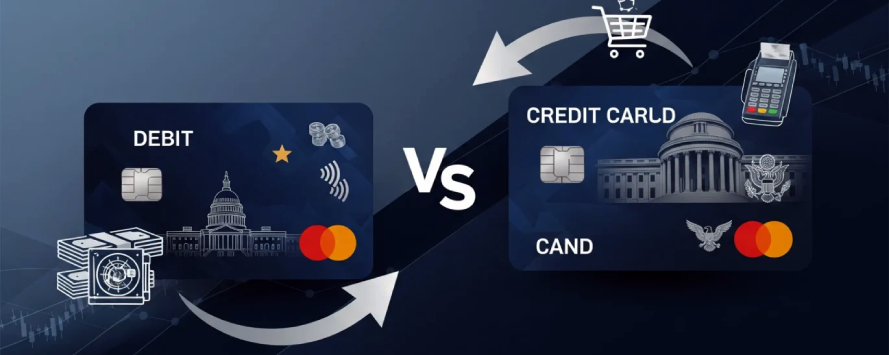
In today's fast-paced financial world, choosing between a credit card and a debit card can feel overwhelming. Whether you're shopping online, managing daily expenses, or building your financial future, understanding the difference between credit card and debit card is essential. Many people wonder, "credit card vs debit card which is better?" The answer depends on your spending habits, goals, and risk tolerance. A credit card lets you borrow money from a bank or issuer, which you repay later, potentially with interest if not paid in full. In contrast, a debit card draws directly from your bank account, using only the money you already have.

This guide explores how credit card is different from debit card, including their features, benefits, and limitations. We'll break down credit card vs debit card advantages and disadvantages, fees, and pros and cons to help you decide. For beginners, the difference between credit card and debit card for beginners often boils down to control versus flexibility—debit cards promote budgeting, while credit cards can build credit history if used responsibly.
In 2026, with rising digital payments and economic shifts, these cards play bigger roles. Credit cards offer rewards like cashback on purchases, making them ideal for savvy spenders. Debit cards, however, help avoid debt in an era of high interest rates. We'll also touch on credit vs debit for specific scenarios, such as online shopping or student needs.
By the end, you'll have a clear comparison, including a credit card vs debit card comparison chart, to choose wisely. Whether you're in the USA, UK, or elsewhere, factors like fraud protection and regional regulations matter. Let's dive into credit card benefits, debit card benefits, and more to empower your choices. This comprehensive look covers everything from basics to advanced tips, ensuring you get maximum value without the fluff.
Table of Contents
- What Is a Credit Card?
- What Is a Debit Card?
- Key Differences Between Credit Cards and Debit Cards
- Credit Card vs Debit Card Pros and Cons
- Credit Card vs Debit Card Fees
- Credit Card vs Debit Card for Online Shopping
- Difference Between Credit Card and Debit Card for Beginners
- Best Card for Students: Credit or Debit
- Credit Card vs Debit Card USA vs UK
- Prepaid Card vs Debit Card
- Best Card for Online Payments
- Credit Card Features and Limitations
- Debit Card Features and Limitations
- FAQ
What Is a Credit Card?
A credit card is essentially a short-term loan from a bank or financial institution. When you use it, you're borrowing money up to your approved credit limit. You must repay what you borrow, plus any interest if you don't pay the full balance by the due date.
How Credit Cards Work
- Application and Approval: You apply based on your credit score, income, and history. Approval isn't guaranteed.
- Spending: Swipe or tap for purchases; the issuer pays the merchant.
- Billing: Receive a monthly statement. Pay minimum, full, or in between.
- Interest: Unpaid balances accrue interest, often 15-25% APR in 2026.
Credit cards build your credit score with on-time payments.

Types of Credit Cards
- Rewards cards: Earn points or cashback.
- Secured cards: For those with poor credit, requiring a deposit.
- Student cards: Lower limits for building history.
What Is a Debit Card?
A debit card links directly to your checking or savings account. It lets you spend only what's available, preventing debt accumulation.
How Debit Cards Work
- Issuance: Usually comes with a bank account; no credit check needed.
- Transactions: Funds deduct immediately or within days.
- Overdraft: If enabled, you might overspend but face fees.
Debit cards are great for everyday use without borrowing.
Types of Debit Cards
- Standard: Basic access to funds.
- Prepaid: Load money in advance (more on this later).
- Contactless: For quick taps.
Key Differences Between Credit Cards and Debit Cards
The core of credit card vs debit card lies in funding: borrowed vs. owned money.
| Aspect |
Credit Card |
Debit Card |
| Funding Source |
Borrowed from issuer |
Your bank account |
| Payment Timing |
Pay later (bill due monthly) |
Immediate deduction |
| Credit Building |
Yes, with responsible use |
No |
| Interest |
Possible if balance carried |
None |
| Fraud Liability |
Limited (often $0) |
Up to $50 if reported quickly, but funds at risk |
| Rewards |
Common (cashback, points) |
Rare |
This credit card vs debit card comparison chart highlights essentials. For more, see our guide on how to improve credit score.
Funding and Spending Limits
Credit: Limit based on creditworthiness (e.g., $500-$50,000). Debit: Limited to account balance.
Impact on Finances
Credit can lead to debt if mismanaged; debit enforces discipline.

Credit Card vs Debit Card Pros and Cons
Weighing credit card vs debit card advantages and disadvantages helps tailor to your needs.
Pros of Credit Cards
✅ Builds credit history for loans/mortgages. ✅ Stronger fraud protection—dispute charges easily. ✅ Rewards: Up to 5% cashback on categories. ✅ Purchase protections like extended warranties. ✅ Flexibility for emergencies.
Cons of Credit Cards
❌ High interest rates if not paid off. ❌ Annual or late fees. ❌ Risk of overspending and debt.
Pros of Debit Cards
✅ No debt or interest. ✅ Easy budgeting—spend what you have. ✅ Fewer fees overall. ✅ Instant access to your money.
Cons of Debit Cards
❌ No credit building. ❌ Fraud drains your account immediately. ❌ Limited rewards. ❌ Overdraft fees possible.
Overall, credit cards suit reward-seekers; debit for debt-avoiders.
Credit Card vs Debit Card Fees
Fees vary widely in credit card vs debit card fees.
- Credit Card Fees: Annual ($0-$500), interest (15-30% APR), late payment ($25-40), cash advance (3-5% + interest).
- Debit Card Fees: Overdraft ($35 avg.), ATM ($2-3 out-of-network), rare annual fees.
Debit cards generally cost less long-term. Merchants pay lower processing for debit.
| Fee Type |
Credit Average |
Debit Average |
| Annual |
$50-100 |
$0 |
| Interest |
20% APR |
N/A |
| Overdraft/Late |
$35 |
$35 |
| Foreign Transaction |
3% |
1-3% |
Credit Card vs Debit Card for Online Shopping
For credit card vs debit card for online shopping, credit wins for safety. If hacked, credit disputes don't affect your cash; debit could empty your account.
- Credit: Zero liability for fraud; easier refunds.
- Debit: Funds gone until resolved (days/weeks).
Use credit for best card for online payments to maximize protection and rewards.
Tips:
- Enable alerts.
- Use virtual cards for one-time buys.
Difference Between Credit Card and Debit Card for Beginners
For newcomers, the difference between credit card and debit card for beginners is accessibility vs. responsibility. Debit is simpler—no approval needed—but credit teaches credit management.
Start with debit to learn budgeting, then add credit for history-building. Avoid maxing out.
Best Card for Students: Credit or Debit
In best card for students: credit or debit, it depends. Debit for expense control; credit for building score early.
- Debit: Prevents debt; good for allowances.
- Credit: Student cards like Capital One offer low limits, rewards.
Hybrid: Secured credit or authorized user on parent's card.
Credit Card vs Debit Card USA vs UK
Credit card vs debit card USA emphasizes credit building and rewards. Liability capped at $50 for debit fraud if reported timely.
Credit card vs debit card UK adds Section 75: Issuer liable for faulty goods over £100. Debit uses Chargeback. Both favor credit for protection.
Prepaid Card vs Debit Card
Prepaid card vs debit card: Prepaid loads funds upfront, no bank account needed. Debit links to account. Prepaid avoids overdraft but has loading fees; good for gifting or budgeting.
Best Card for Online Payments
For best card for online payments, credit cards like Amazon Prime Visa offer 5% back. Debit suffices for low-risk sites but lacks perks.
Credit Card Features and Limitations
Credit card features: Rewards, travel insurance, zero fraud liability. Credit card limitations: High APR, temptation to overspend. Credit card benefits shine in emergencies.
Debit Card Features and Limitations
Debit card features: PIN security, ATM access. Debit card limitations: No rewards, fraud risks. Debit card benefits include no interest.
FAQ
What is the difference between a credit card and a debit card?
Credit borrows; debit uses your money. See key differences section.
Is a credit card better than a debit card?
Depends—credit for rewards, debit for no debt.
Can I use a debit card like a credit card?
Yes, select "credit" at checkout, but it's still debit-funded.
Are credit cards safer than debit cards?
Yes, better fraud protection.
Which is more convenient: debit card or credit card?
Credit for flexibility; debit for simplicity.
What are the advantages of a credit card over a debit card?
Rewards, credit building, protections.
Can a debit card help build credit?
No, only credit cards do.
For more, check credit score basics.
Conclusion
In 2026, credit card vs debit card boils down to your lifestyle. Use debit to stay debt-free, credit for perks if disciplined. Balance both for optimal finances—debit daily, credit strategically.
Ready to choose? Explore our top picks or subscribe for updates on best credit cards 2026. Make informed decisions today!
This article is for educational purposes only. See our Financial Disclaimer.
About author person.